hollyhamwrites:

The graphic above is based on a psychological study of tension and suspense in 2015.

>>BUILDING TENSION WITH THE SIX KEY COMPONENTS

CONFLICT: Your character wants something but they can’t have it – not without a struggle. Do they want to escape? Do they want to save someone? To create tension, it’s so important to make sure your readers know what your character’s goal is.

UNCERTAINTY: We need to make our characters fight for their goal by throwing obstacles at them. The more impossible the task seems, the more your readers will doubt your character will succeed.

ANTICIPATION: This is where foreshadowing comes in. If something bad is going to happen, allude to it and build that atmosphere. Inject fear into the hearts of your readers.

EMOTIONAL SIGNIFICANCE: If we want our reader to want to see our character succeed, then we need to make sure there’s an emotional reason for them wanting this goal. What will happen if they fail? The stakes need to be clear and important to our character in order to make our reader care.

LACK OF CONTROL: One way to increase tension is to pile obstacles onto your character which are beyond their influence. If they feel lost despite their efforts, achieving their goal seems more impossible and, as mentioned above, that helps build “uncertainty”.

TEMPORAL ASPECTS: If your character has a set time in which they must achieve their goal, then will this add a ton of tension. And if you have succeeded in making clear, emotional stakes then the reader will be biting their nails as they count down alongside your character.

If you feel your manuscript is lacking in tension, analyse it for the six above components. Every story needs “conflict”, “emotional significance” and “uncertainty” to be obvious. If you are confident all three are clear, then try ramping up “lack of control”, “anticipation” or “temporal aspects”. All six aspects should be present for a story to really shine, but sometimes they might be more vague. For example, it might not be a set time limit but an inevitable event and this also touches on anticipation and lack of control.

Q&A: Knee to the Face

howtofightwrite:

If my protag managed to get the person they’re fighting to kind of
double over (probably by punching them in the gut) would it be at all
realistic for them to break the other guy’s nose by slamming his head
down while also bring long their knee up?

Yes, that’s an extremely common and effective strike combination. Well, the sucker punch, less so, but running a knee into their groin or stomach, then following with a quick knee strike to the face is. Face strikes are an excellent stun, and it’s more effective than relying on a knee to the groin incapacitating your opponent. There’s the added bonus of a lot of blood from the nose, but the real kicker for the knee strike to the face is the force generated by slamming their head down into the rising knee. The force comes from two directions, not just one. This is what makes the knee to the face more effective than the knee to other parts of the lower body.

You’re going to do more to them than break their nose. They’ll be dazed, disoriented, and bleeding profusely from their nose. They’ll also be crying, not from the pain but because a broken nose will do that to you. Depending on your character’s combat tactics and amount of time they have available, they’re free to bring the head up (because they’ve still got hold of it) and repeat steps two and three. Or, they may move on to working the body over because they’ve got the other character in a state where they’ll have difficulty fighting back.

A lot of combat combat works like this. Create an opening, and immediately exploit it before your opponent can react. This is how real combat works, but you don’t often see it from writers without a background in violence. They’re working off the attack, defend, attack rules turn based combat from RPGs, or the queing system from television. Real violence is a function of taking the initiative from your opponent and pound on them until they can no longer retaliate. Combination strikes, the process of stringing multiple attacks together into a cohesive combat strategy, are often difficult for the unitiated to wrap their heads around. For a lot of readers, thinking ahead in combat like this will impress them.

A lot of basic attacks utilize a simple one-two setup-exploit structure like the sucker punch with the follow up knee to the face. Getting your hands on your opponent’s head and bringing it into a solid knee strike is an effective tactic utilized by many different martial arts from around the world. The technique is also an easy one two the slightly better than average schoolyard bully can master.

The big thing with head strikes is making sure the bones you’re connecting with are more solid than the bones you’re striking. For example, you do not want to strike the forehead. It’s basically just a large, heavy, bone plate. Either side of the forehead, where the plates meet, is an excellent target. You’re aiming for a structural weakness. The face is made up of a lot of relatively fragile structures, with a chunk of soft cartilage for good measure. Your thigh, in contrast, is a massive, solid, load bearing, bone, reinforced with heavy musculature. Yeah, hit them with the end of that. Their face is way more fragile. (Your kneecap should be pretty securely locked in place when you connect, unless you’ve got some serious medical condition.)

This is the same danger with punching, and other hand strikes. Your hand has twenty-seven delicate bones, they allow for fantastic flexibility, and utility, but your opponent’s skull has eight fused plates, and fourteen in the face. Still want to punch them there? Personal advice, aim for someplace softer, or use something better suited to abuse than your hand. (Your knee is much better suited for that.)

So, let’s talk about combat inertia for a second. This is an abstract concept, but it’s a way to explain why combos like this work. It’s easy to get into a “turn-based” view combat. Your character takes an action, their opponent acts, your character acts again. In the real world, combat rarely works like this unless both fighters are completely exhausted.

Combatants are often looking for ways to exploit their opponent’s defenses, find/create an opening, and use this lead in as a launchpad for their real attacks. Tagging someone in the groin, or in the gut, won’t incapacitate your opponent, but it can buy you a little inertia to follow up. Usually, a knee to the face won’t put your opponent down. But, use the first to transition into the second and you’ve bought some time. No turn for them right now.

Here’s a fun thing about this specific combo. You can do it from nearly anywhere. If you’re on either side of your opponent, or facing them, you can deliver a quick strike to their gut, and follow it with knee strike. Usually from one knee strike to another, though punches and elbow strikes can certainly get you started depending on the exact positioning. Anything that will make your opponent double over. Depending on placement, this can smoothly transition into a number of chokeholds. This is a tool, and it can be mixed with fluidly mix with other options. The sucker punch to the stomach, into a knee strike to the face, can easily transition into a guillotine choke when forward facing or a standard triangle choke from the side. The strike can transition into a push kick, such as sucker punch, knee strike, push kick to the stomach where you crank the knee to your chest and shoot your foot outward. Or, simply rinse, lather, repeat with the knee to the face until they can’t stand up anymore.

Also, inertia doesn’t mean you have to stop at two strikes. You can keep going until you wear yourself out. The important thing is being efficient, and not getting into a situation where you’ve exhausted yourself against a fresh foe.

Combining, or chaining, moves like this is an important part of hand-to-hand combat. Surviving a fight means keeping control of a situation, and refusing to let your opponent(s) do the same. Preventing them from ever attacking, because they’re too disoriented by your attacks is a good way to do exactly that.

-Starke

This blog is supported through Patreon. If you enjoy our content, please consider becoming a Patron. Every contribution helps keep us online, and writing. If you already are a Patron, thank you.

Q&A: Knee to the Face was originally published on How to Fight Write.

240 Words to Describe Someone’s Tone/Voice

smut-101:

  1. Abrasive – showing little concern for the feelings of others; harsh
  2. Absurd – wildly unreasonable, illogical, or inappropriate
  3. Accusatory – suggesting someone has done something wrong, complaining
  4. Acerbic – sharp and forthright
  5. Acidic – harsh or critical
  6. Admiring – approving; think highly of; respectful; praising
  7. Aggressive – hostile; determined; forceful; argumentative
  8. Aggrieved –  angry and sad because you think you have been unfairly treated
  9. Airy –  giving an impression of being unconcerned or not serious
  10. Ambivalent – having mixed feelings; uncertain; in a dilemma; undecided
  11. Amused – pleasantly; entertain or divert in an enjoyable or cheerful manner
  12. Angry – incensed or enraged; threatening or menacing
  13. Animated – full of life or excitement; lively; spirited; impassioned; vibrant
  14. Anxious –  typically with a feeling of unease
  15. Apathetic – showing little interest; lacking concern; indifferent; unemotional
  16. Apologetic – full of regret; repentant; remorseful; acknowledging failure
  17. Appreciative – grateful; thankful; showing pleasure; enthusiastic
  18. Ardent – enthusiastic; passionate
  19. Arrogant – pompous; disdainful; overbearing; condescending; vain; scoffing
  20. Assertive – self-confident; strong-willed; authoritative; insistent
  21. Authoritative – commanding and self-confident
  22. Awestruck – amazed, filled with wonder/awe; reverential
  23. Barbed – deliberately hurtful
  24. Barking – utter a command or question abruptly or aggressively
  25. Belligerent – hostile; aggressive; combatant
  26. Benevolent – sympathetic; tolerant; generous; caring; well meaning
  27. Bitter – angry; acrimonious; antagonistic; spiteful; nasty
  28. Blasé – unimpressed or indifferent to something because one has experienced or seen it so often before
  29. Bleak – without hope or encouragement; depressing; dreary
  30. Bombastic – high-sounding but with little meaning; inflated
  31. Booming – loud, deep, and resonant
  32. Bored – to tire or make weary by being dull, repetitious, or uninteresting
  33. Brash – self-assertive in a rude, noisy, or overbearing way
  34. Braying – speak or laugh loudly and harshly
  35. Breathy – producing or causing an audible sound of breathing, often related to physical exertion or strong feelings
  36. Breezy – appearing relaxed, informal, and cheerily brisk
  37. Brittle – lacking warmth, sensitivity, or compassion; aloof
  38. Bubbly – full of cheerful high spirits
  39. Burbling – speak in an unintelligible or silly way, typically at unnecessary length
  40. Callous – cruel disregard; unfeeling; uncaring; indifferent; ruthless
  41. Candid – truthful, straightforward; honest; unreserved
  42. Caustic – making biting, corrosive comments; critical
  43. Cautionary – gives warning; raises awareness; reminding
  44. Celebratory – praising; pay tribute to; glorify; honour
  45. Chatty – informal; lively; conversational; familiar
  46. Cheery – happy and optimistic
  47. Childish – silly and immature
  48. Chirping – say something in a lively and cheerful way
  49. Clipped – speech that is fast, that uses short sounds and few words, and that is often unfriendly or rude
  50. Cloying – disgust or sicken (someone) with an excess of sweetness, richness, or sentiment
  51. Coarse – rude, crude, or vulgar
  52. Colloquial – familiar; everyday language; informal; colloquial; casual
  53. Comic – humorous; witty; entertaining; diverting
  54. Compassionate – sympathetic; empathetic; warm-hearted; tolerant; kind
  55. Complex – having many varying characteristics; complicated
  56. Compliant – agree or obey rules; acquiescent; flexible; submissive
  57. Concerned – worried; anxious; apprehensive
  58. Conciliatory – intended to placate or pacify; appeasing
  59. Condescending – stooping to the level of one’s inferiors; patronising
  60. Confused – unable to think clearly; bewildered; vague
  61. Contemptuous – showing contempt; scornful; insolent; mocking
  62. Crisp – briskly decisive and matter-of-fact, without hesitation or unnecessary detail
  63. Critical – finding fault; disapproving; scathing; criticizing
  64. Croaking – a characteristic deep hoarse sound
  65. Cruel – causing pain and suffering; unkind; spiteful; severe
  66. Curious – wanting to find out more; inquisitive; questioning
  67. Curt – rudely brief
  68. Cynical – scornful of motives/virtues of others; mocking; sneering
  69. Defensive – defending a position; shielding; guarding; watchful
  70. Defiant – obstinate; argumentative; defiant; contentious
  71. Demeaning – disrespectful; undignified
  72. Depressing – sad, melancholic; discouraging; pessimistic
  73. Derisive – snide; sarcastic; mocking; dismissive; scornful
  74. Detached – aloof; objective; unfeeling; distant
  75. Dignified – serious; respectful; formal; proper
  76. Diplomatic – tactful; subtle; sensitive; thoughtful
  77. Disapproving – displeased; critical; condemnatory
  78. Disheartening – discouraging; demoralising; undermining; depressing
  79. Disparaging – dismissive; critical; scornful
  80. Direct – straightforward; honest
  81. Disappointed – discouraged; unhappy because something has gone wrong
  82. Discordant – harsh and jarring because of a lack of harmony
  83. Dispassionate – impartial; indifferent; unsentimental; cold; unsympathetic
  84. Dispirited – having lost enthusiasm and hope; disheartened
  85. Distressing – heart-breaking; sad; troubling
  86. Docile – compliant; submissive; deferential; accommodating
  87. Drawling – speak in a slow, lazy way with prolonged vowel sounds
  88. Dulcet – sweet and soothing
  89. Dull – lacking interest or excitement
  90. Earnest – showing deep sincerity or feeling; serious
  91. Egotistical – self-absorbed; selfish; conceited; boastful
  92. Empathetic – understanding; kind; sensitive
  93. Encouraging – optimistic; supportive
  94. Enthusiastic – excited; energetic
  95. Evasive – ambiguous; cryptic; unclear
  96. Excited – emotionally aroused; stirred
  97. Facetious – inappropriate; flippant
  98. Farcical – ludicrous; absurd; mocking; humorous and highly improbable
  99. Feathery – extremely light and soft or delicate
  100. Flippant – superficial; glib; shallow; thoughtless; frivolous
  101. Forceful – powerful; energetic; confident; assertive
  102. Formal – respectful; stilted; factual; following accepted styles/rules
  103. Frank – honest; direct; plain; matter-of-fact
  104. Fretful – expressing distress or irritation
  105. Frustrated – annoyed; discouraged
  106. Gentle – kind; considerate; mild; soft
  107. Ghoulish – delighting in the revolting or the loathsome
  108. Glum – dejected; morose
  109. Goofy – foolish; harmlessly eccentric
  110. Grating – harsh and unpleasant
  111. Gravelly – deep and rough-sounding
  112. Grim – serious; gloomy; depressing; lacking humour;macabre
  113. Growling – low grating voice, typically in a threatening manner
  114. Gruff – rough and low in pitch
  115. Gullible – naive; innocent; ignorant
  116. Guttural – produced in the throat; harsh-sounding
  117. Hard – unfeeling; hard-hearted; unyielding
  118. Harsh – cruel or severe
  119. Hearty – loudly vigorous and cheerful
  120. Hoarse – sounding rough and harsh, typically as the result of a sore throat or of shouting
  121. Honeyed – soothing, soft, and intended to please or flatter
  122. Humble – deferential; modest
  123. Humorous – amusing; entertaining; playful
  124. Husky – sounding low-pitched and slightly hoarse
  125. Hypercritical – unreasonably critical; hair splitting; nitpicking
  126. Impartial – unbiased; neutral; objective
  127. Impassioned – filled with emotion; ardent
  128. Imploring – pleading; begging
  129. Impressionable – trusting; child-like
  130. Inane – silly; foolish; stupid; nonsensical
  131. Incensed – enraged
  132. Incredulous – disbelieving; unconvinced; questioning; suspicious
  133. Indifferent – having no particular interest or sympathy; unconcerned
  134. Indignant – annoyed; angry; dissatisfied
  135. Informative – instructive; factual; educational
  136. Insinuating – suggest or hint in an indirect and unpleasant way
  137. Inspirational – encouraging; reassuring
  138. Intense – earnest; passionate; concentrated; deeply felt
  139. Intimate – familiar; informal; confidential; confessional
  140. Ironic – the opposite of what is meant
  141. Irreverent – lacking respect for things that are generally taken seriously
  142. Jaded – bored; having had too much of the same thing; lack enthusiasm
  143. Joyful – positive; optimistic; cheerful; elated
  144. Jubilant – expressing great happiness and triumph
  145. Judgmental – critical; finding fault; disparaging
  146. Laudatory – praising; recommending
  147. Lifeless – lacking vigor, vitality, or excitement
  148. Light-Hearted – carefree; relaxed; chatty; humorous
  149. Lively – full of life and energy; active and outgoing
  150. Loving – affectionate; showing intense, deep concern
  151. Macabre – gruesome; horrifying; frightening
  152. Malicious – desiring to harm others or to see others suffer; ill-willed; spiteful
  153. Matter-of-fact – unemotional and practical
  154. Mean-Spirited – inconsiderate; unsympathetic
  155. Mellifluous – sweet or musical; pleasant to hear
  156. Melodious – pleasant-sounding
  157. Mocking – scornful; ridiculing; making fun of someone
  158. Monotonous – lacking in variation in tone or pitch
  159. Mourning – grieving; lamenting; woeful
  160. Muffled – not loud because of being obstructed in some way; muted
  161. Naive – innocent; unsophisticated; immature
  162. Narcissistic – self-admiring; selfish; boastful; self-pitying
  163. Nasty – unpleasant; unkind; disagreeable; abusive
  164. Negative – unhappy, pessimistic
  165. Nonchalant – casually calm and relaxed; not displaying anxiety, interest, or enthusiasm
  166. Nostalgic – thinking about the past; wishing for something from the past
  167. Objective – without prejudice; without discrimination; fair; based on fact
  168. Obsequious – overly obedient and/or submissive; fawning; grovelling
  169. Oily – unpleasantly smooth and ingratiating
  170. Optimistic – hopeful; cheerful
  171. Outraged – angered and resentful; furious; extremely angered
  172. Outspoken – frank; candid; spoken without reserv
  173. Pathetic – expressing pity, sympathy, tenderness
  174. Patronizing – condescending; scornful; pompous
  175. Pensive – reflective; introspective; philosophical; contemplative
  176. Persuasive – convincing; eloquent; influential; plausible
  177. Pessimistic – seeing the negative side of things
  178. Philosophical – theoretical; analytical; rational; logical
  179. Piping – high-pitched.
  180. Playful – full of fun and good spirits; humorous; jesting
  181. Pragmatic – realistic; sensible
  182. Pretentious – affected; artificial; grandiose; rhetorical; flashy
  183. Quavering – shake or tremble in speaking, typically through nervousness or emotion
  184. Querulous – complaining in a petulant or whining manner
  185. Rasping – harsh-sounding and unpleasant; grating
  186. Reedy – high and thin in tone
  187. Refined –  elegant; cultured
  188. Regretful – apologetic; remorseful
  189. Resentful – aggrieved; offended; displeased; bitter
  190. Resigned – accepting; unhappy
  191. Restrained – controlled; quiet; unemotional
  192. Reverent – showing deep respect and esteem
  193. Righteous – morally right and just; guiltless; pious; god-fearing
  194. Robust – strong and healthy; vigorous
  195. Saccharine –

    excessively sweet or sentimental

  196. Satirical – making fun to show a weakness; ridiculing; derisive
  197. Sarcastic – scornful; mocking; ridiculing
  198. Scathing – critical; stinging; unsparing; harsh
  199. Scornful – expressing contempt or derision; scathing; dismissive
  200. Scratchy –

    rough; grating

  201. Sensationalist – provocative; inaccurate; distasteful
  202. Sentimental – thinking about feelings, especially when remembering the past
  203. Shrill –

    high-pitched and piercing

  204. Silvery –

    gentle, clear, and melodious

  205. Sincere – honest; truthful; earnest
  206. Skeptical – disbelieving; unconvinced; doubting
  207. Smarmy – 

    excessively or unctuously flattering; ingratiating; servile

  208. Smoky –

    a raspy, coarse and tone of quality that is deeper than usual
  209. Snide –

    derogatory or mocking in an indirect way

  210. Solemn – not funny; in earnest; serious
  211. Somber –

    oppressively solemn or sober in mood; grave

  212. Sonorous –

    imposingly deep and full

  213. Sour – resentment, disappointment, or anger
  214. Steely – coldly determined; hard

  215. Strident –

    loud and harsh; grating

  216. Stony –

    not having or showing feeling or sympathy

  217. Suave –

    charming, confident, and elegant
  218. Subjective – prejudiced; biased
  219. Submissive – compliant; passive; accommodating; obedient
  220. Sulking – bad-tempered; grumpy; resentful; sullen
  221. Surly –

    bad-tempered and unfriendly

  222. Sympathetic – compassionate; understanding of how someone feels
  223. Thoughtful – reflective; serious; absorbed
  224. Throaty –

    deep and rasping

  225. Tolerant – open-minded; charitable; patient; sympathetic; lenient
  226. Tragic – disastrous; calamitous
  227. Tremulous –

    shaking or quivering slightly

  228. Unassuming – modest; self-effacing; restrained
  229. Unctuous –

    excessive piousness or moralistic fervor, especially in an affected manner; excessively smooth, suave, or smug

  230. Uneasy – worried; uncomfortable; edgy; nervous
  231. Urgent – insistent; saying something must be done soon
  232. Velvety – soft; smooth
  233. Vindictive – vengeful; spiteful; bitter; unforgiving
  234. Virtuous – lawful; righteous; moral; upstanding
  235. Whimsical – quaint; playful; mischievous; offbeat
  236. Witty – clever; quick-witted; entertaining
  237. Wonder – awe-struck; admiring; fascinating
  238. World-Weary – bored; cynical; tired
  239. Worried – anxious; stressed; fearful
  240. Wretched – miserable; despairing; sorrowful; distressed

Q&A: The Nature of Dehumanization

howtofightwrite:

This may sound a little confusing but hear me out. In my story, I have a character who’s going through a more or less boot camp for a dystopian empire. The ultimate goal of this “camp” is to make killing the enemy less of a regrettable necessity and more like a game, or a challenge- basically twist the morals of the soldiers so they no longer care about who they kill, they just care about the kill. Would this be feasible, or does it go too far into the “hurr durr Spartans are tough” trap.

So, you don’t actually have to teach soldiers how to do this. Dehumanize an enemy enough and they’ll do it all on their own. In fact, they’ll dehumanize enemies all on their own. All you need is the enemy killing people they care about in the abstract. It doesn’t have to be people they know, family, or friends. They don’t need a personal stake. After all, dehumanization of the enemy is part of how we stave off that pesky mental limit which leads to psychotic breaks.

What many writers don’t realize is that in this case we honestly don’t have work that hard to justify the behavior. The behavior already exists, and happened in ways far worse than you or I can imagine.

If you have the stomach for it, I recommend looking at the Pacific Theater for WWII (though the Nazis are good too.) Specifically stuff like the “Contest To Kill 100 People Using A Sword” series run by a pair of Japanese newspapers covering a contest between Japanese officers Toshiaki Mukai and Tsuyoshi Noda during the Nanking Massacre.  The quest to see who could kill 100 people with their sword fastest, this included Chinese civilians and POWs.

And, yes, it happened. That’s not dystopian. That’s history.

Japan’s war crimes during World War II are built on the specific variety of nationalism the country practiced during the period and their outlook on the concept of surrender.  Look no further than the extensive list of Japanese war crimes in the Pacific Theater, from The Comfort Women, Unit 731, and I would not look at the POW camps unless you have a strong stomach. However, I will say they did ship POWs back to Japan and vivisected them while still alive. I include this as its probably one of the less disturbing actions toward the treating of POWs during the war. When the men were recovered, they looked like what we’d expect from a Nazi concentration camp.

Japan is not the only example, there are countless others throughout history, and they’re not unique but they are relatively recent. Also, often, overlooked. The revenge Allied troops took on Germany, specifically those from territories occupied by German soldiers like the French is also there. In the words of a German professor from college whose family survived Allied occupation of Berlin, “no woman between seven and seventy was safe” in those quarters held by the French. At the time, her mother was a little girl and she told the story about how German citizens went running for those areas under American control. (The reason, of course, being that the Americans suffered less during the war with their civilians being an ocean away.) In the Pacific Theater, Allied soldiers would cut out the teeth of dead Japanese soldiers for their gold fillings. They called it “Jap gold”.

Kill counts, war trophies, every game you can imagine, and plenty you can’t have all happened during periods of wartime. War is an ugly business, and some wars are uglier than others.

The problem is assuming you need some sort of special training to get people there. The sad truth is such training isn’t necessary, and that’s what makes this topic dystopic. Dystopia is based in human nature, it what could happen in the future when the world is on course. The events and outlooks which led the Japanese to behave the way they did when they went to war are just as present and relevant now in countries all over the world. That includes the US.

Rid yourself now of the idea there’s ever such a thing as a “clean” war. All war is dark, all war is dirty, and all wars involve people doing terrible things to one another.

If you really want to write this story then you need to be learning everything you can about the mindset of soldiers and what they go through while on the battlefield. This means watching documentaries, shows based on anecdotes and biographical experiences like  The Pacific and Band of Brothers. You should be reading Starship Troopers as a primer if you haven’t already. Do so while understanding Heinlein is a fascist and that is what he endorses in the novel. You should be going over Vietnam. I’d even watch M.A.S.H., the show, the movie, and read the book. Growing Up Black In Nazi Germany is a stunningly eye-opening read if you’ve ever wondered how the German people were swept away by Hitler and what that looked like within their culture. Read the short story, One Day in the Life of Ivan Denisovitch to get a look inside the camps run in Soviet Russia. Then tackle All Quiet on the Western Front. You want as much pro-war and anti-war media as you can get your hands on with history to fill in the gaps. Also, George Orwell’s 1984. Here’s the trick to understanding the best of the dypstopian genre: 1984 may be fictional, but similar events happened in the Soviet Union. Margaret Atwood’s The Handmaid’s Tale is entirely possible as a future for the United States, and it is plausible. Upton Sinclair’s The Jungle is dystopic and fictionalized, but the research behind it isn’t. The Jungle is part of why we have the FDA. There’s also Richard Wright’s Native Son.

You want to look at the cultures specifically that produced some of history’s most horrific war crimes and study up on the mindsets which led them there. That is how this happens, and that is what you need to write dystopias: an understanding of human nature.

Look beyond The Hunger Games to Rome. Consider the Spartan children whipped in stadiums to provide entertainment for the masses in simulation of ancient Spartan training, and that is only one small anecdote to the greater horrors of the Arena. See the horror in an entire culture reduced to a themepark attraction.

Remember, all dystopia is political and it is all based as a reaction to the real world. The best dystopias are talking about events that have happened in a fictional context with the warning they might happen again. We may all get upset at Animal Farm but that is a breakdown of how Soviet Russia came to be and it will teach you how the political system took hold.

All animals are equal but some animals are more equal than others. – Animal Farm

Some people are more equal than others, some people are better than others, some people are more deserving than others. Be that their nation of origin, the color of their skin, their ethnic background, their accent, their education level, their economic background, or the part of a country they come from (much less the world). Dehumanization is all you need to justify great cruelty, and human beings do it to each other all the time.

After all, take any military shooter from the genre and do a hard contrast to Spec Ops: the Line. Take your experiences and what you feel while playing a military shooter, then imagine feeling those same emotions while killing real people.

You will. They’re not people to you anymore. After all, when was the last time you thought of the Stormtroopers from Star Wars IV: A New Hope as human beings?

When American soldiers called the members of the VietCong Charlies, what they were doing was taking letters of the alphabet VictorCharlie and translating their targets into anonymous individuals. They are no longer people. They’re all Charlies.

This is the key to understanding the horrors of warfare. Once you figure out how to write your characters from the perspective where they don’t see the people they kill as people, you’re off to the races. The only place you’re off is the idea they need to be trained to not care or turn it into a game.

Give them training.

They’ll make games out of killing their enemies all on their own.

-Michi

This blog is supported through Patreon. If you enjoy our content, please consider becoming a Patron. Every contribution helps keep us online, and writing. If you already are a Patron, thank you.

Q&A: The Nature of Dehumanization was originally published on How to Fight Write.

What would be some behavioral/psychological differences between a kid who’s been raised for combat and a child soldier? She’s in her mid-teens on what was supposed to be a routine training mission when shit hits the fan and she ends up getting captured. The enemy armed forces that have her assume that she’s a child soldier that’s been otherwise coerced into this and treat her as such. So how would they be trying to establish rapport with her or subvert her loyalties? (and utterly failing) [1/2]

howtofightwrite:

What, if any, chance do they have of actually succeeding, given that
she’s been training since she was 5? Is there any way for them to manage
to turn her loyalties? And what would be going through her head during
all of this beyond disdain and escape plans, regardless of whether or
not she turns? [2/2]


I get what you’re asking here, you’re asking if a child soldier can be saved through the power of friendship. The answer to that, upfront, is no. Child soldiers and children raised for combat are not misunderstood misanthropes who’ve never had a support network but know what it is and can be approached in the same way you would the average loner.

Child soldiers/kids who’ve been put through any kind of brainwashing are a difficult subject to discuss because it is profoundly disturbing and messed up. The assumption is that if they’re kidnapped from their families, they’ll grow to secretly hate their captors and jump when the first opportunity comes for escape.

That isn’t how it works. In the training, they’re driven to hate their parents and view them as weak. As they’re systematically broken down, they grow to love their captors and consider them family. They develop a deep and abiding loyalty to them.

Falling prey to this conditioning has nothing to do with how strong someone is or isn’t. It’s not a matter of mental or emotional strength. Breaking them down and rebuilding them from the inside out is what their handlers do. They are very adept at it. These children are conditioned through empowerment, which is part of why it’s so seductive. They’re taught to believe that they are better and stronger than everyone else, that other humans are weak. That weakness must be destroyed.

You won’t reach them by treating them in any way they’ll perceive as weakness and if you react the way they expect then you play into the hands of the people who programmed them, then you’ve reinforced the child’s conditioning. The mental conditioning is a booby-trap for the people who might try to help them. Every intuitive choice, every choice that feels natural is going to be the wrong one.

You cannot reach them if you come to them with an assumed understanding of who they are and what a human being is. There’s the person they were, who they’ve learned to despise and the person they see themselves as now. Approaching either of those individuals, whether it’s the person they were or who they currently are, will lock you out.

The average person with no understanding will simply reinforce the child’s views and their handler’s views, and shut out of any way to help them by the child’s dismissal. That’s if the kid doesn’t kill them first, which they will because that’s what they were conditioned to do.

A child overcoming this programming requires years and years of therapy, if they’re fortunate enough to receive it at all.

Abuse isn’t cured by the power of friendship.

We’ve talked about #child soldiers and #children and combat on separate occasions, we’ve even compared them to each other and explained the difference. They are not, however, totally separate.

The main difference:

1) Children Raised to Combat are a long term investment. This is someone whose training has been the focus of their life, with the intent to turn out a solid, above average combatant. These children who won’t see combat until they reach their late teens/adulthood.

2) Child Soldiers are expendable assets given a gun, often given drugs like “BamBam”, told they’re immortal, and shoved onto the battlefield on the idea they’ll give the adult soldiers pause, gun a few down, before getting gunned down themselves. They’re not “soldiers” so much as they are distractions. They are also never sent out alone. You’re not up against one, you’re up against many.

Both have the option of having been put through cultish/psychological programming, but the difference between the two is fairly obvious. It’s a disoriented and drugged child violently kidnapped from their village versus a member of the Hitler Youth or another, similar, organization.

They are both psychologically damaged but in vastly different ways, and those circumstances make it nearly impossible for anyone who isn’t a child soldier or comes from a similarly abusive background to relate.

The irony is going that the Child Soldier is going to be much, much easier to turn because they were never really inside the system to begin with. However, even with just a scant few months, the deprogramming is going to take years. They’re never treated as important. A child who has been raised to combat is valuable, they often see joining as their choice, and they know their own worth. They’ve never known any other kind of normal and are in a much better place to evaluate why their side is the right one. They are co-operative participants, rather than forced. They’re going to see the instructors in their lives as friends and family. They’ll believe in the cause.

A good way to look at the thought process of the adults behind these training programs would be to take a look at the French novel/film “La Femme Nikita” where the assassins are all druggies and runaways pulled off the streets, cleaned up, sobered out, and trained to kill people.

Why is this important?

Because it inspires loyalty. You take people no one will know and no one will miss, people who are not regularly getting four square meals a day, and get them off the streets. You give them a safe place to sleep, regular food, and a purpose. From their perspective, you save them. The threat of expulsion comes next, but what you ask them to do next is not that much worse for them than the hell they were living in before.

The problem when most people look at these situations and setups is that they miss the deeply embedded trust, loyalty, and respect these children feel for those who train them. They have a lifetime and a normative societal state to banish their doubts. They will know what the outside world is like. They’ll have been educated. If they’ve been handled by someone skilled, then everything they see will merely confirm their sociological programming. Questions will be encouraged. Pride in their skills, pride in their country/mission, ego, and self-esteem are encouraged.

You’re looking at your character having an attitude similar to the Spartans in 300.

Or, you know, Starship Troopers.

A person who understands their ideology and philosophy is far more useful and capable of independent operation than a blind follower. You want your elites to be capable of independently operating on their own.

You can’t force someone to be good at fighting. You can’t force someone to learn. Like the old saying goes, you can lead a horse to water but you can’t make it drink.

However, the real problem with this question is a critical failure to understand how soldiers operate in warzones, specifically in regards to enemy combatants.

Child Soldiers are still soldiers. They’re enemy combatants and they’re treated like enemy combatants.

This is the concept that’s hardest for most people to grasp.

It doesn’t matter, at the end of the day, whether or not they’re a forced conscript.
Child Soldiers are treated as enemy combatants, not children because, well, they are.

The sad truth about them is that they’re not really kids anymore. They’re brainwashed and weaponized. The moral barrier that will stop the average child from killing someone doesn’t exist for them. It’s gone. Their innocence is gone. They are exceedingly dangerous. They’re likely to betray and kill their “rescuers” if left to their own devices then return to those who kidnapped them in the first place.

This is a behavior pattern which does not normally make sense to those who have never been abused, but it is very real.

What’s been done to them can’t be cured with kindness, at least not in the early stages and the average person can’t relate to them. It’s difficult enough for most people to relate to adults who’ve been through your garden variety child abuse, and this is on a whole other level. These kids are systematically broken. That is the point of the breaking. So, that when the average adult treats them like a kid they kill them.

Child soldiers are unpredictable, including for seasoned combatants. It’s hard as hell to tell when they’re going to snap, and there’s a certain level of psychopathy just lingering beneath the surface because (as children) they’re brains can’t register that death is real.

This is true with children and you see it a lot with children dealing with grief, they lack an understanding of permanence and struggle with the concept of death. Minors don’t grasp consequences the same way adults do, and there are different standards regarding their ability to do so consciously.The training child soldiers undergo preys on that. It preys on the limbo. So, they’re handlers feed them cocaine and tell them they’re invincible and they believe them. The important thing about child soldiers is that they don’t know what they’re doing. Their psychology is exploited by their handlers.

You can feel pity for the dog that’s been abused to the point its mind is broken. It won’t stop the dog from killing you.

So, you’re asking these soldiers to take a ticking time bomb with them. Someone who is a direct threat to their lives and their mission. No matter the amount of pity they feel, this is a time bomb they know better than to take. This is especially true if they’re working in enemy territory where she’ll have numerous chances to betray them to her comrades. They’re not equipped to handle her.

She belongs in a POW camp, away from combat, with people who can devote their time to helping her figure out how to be a human instead of a weapon.

Right now, a weapon is all this character knows how to be.

-Michi

This blog is supported through Patreon. If you enjoy our content, please consider becoming a Patron.

References and Resources:

It is worth remembering that child soldiers exist in the real world, both in our present and throughout history. There is a body of research available on the subject, and worth looking into if you want to do it justice.

If you are a minor, I insist that you approach this subject with the aid or help of an adult. Child soldiers are disturbing material.

The CNN article on Ishmael Beah is an excellent place to start. Beah was a child soldier in the Sierra Leone eventually captured by enemy forces and rehabilitated by Unicef. His memoir A Long Way Gone: Memoirs of a Boy Soldier is worth looking into if you intend to take the true child soldier route.

If you’re interested in being depressed or learning more about the African diamond trade and how it ties into the Sierra Leone then Blood Diamond with Leonardo Dicaprio is a good movie to invest some time into. The movie goes through great pains to ensure the treatment of child soldiers and their training is accurate.

The book Blood Diamonds: Tracing the Path of the World’s Most Precious Stones which the movie referenced extensively, though only two chapters in the book discuss child soldiers directly. Instead, it focuses on the use of diamonds to fund the RUF in the Sierra Leone. You may find this book more helpful for worldbuilding and it’s discussion on the funding a revolution.

Monster an autobiography by Sanyika Shakur aka Kody Scott about his sixteen years spent as a gangbanger may be helpful. Gangs have a different method in their recruitment of child soldiers but, at the end of the day, the attitudes and mentalities end up in a similar place.

Destined to Witness: Growing Up Black in Nazi Germany by Hans J. Massaquoi isn’t a book about child soldiers per say, but it does document the effect Nazism had on the German people. If you ever wondered how the average person could fall victim to widespread propoganda, participate in such heinous acts, or wondered how the Nazis worked then this is a must read book.

Check out Boy Seamen on Wikipedia, a page discussing the ranking and usage of young adults as sailors in the British Navy and others at the turn of the century. Russel Crowe’s adaptation of Master and Commander: Far Side of the World has an accurate representation of the ages that were put to sea. Patrick O’brien’s series is a must read for anyone interested in doing any writing about the British Navy.

We bring up the Boy Scouts of America sometimes when discussing children raised for combat and while it isn’t a direct 1 to 1 comparison, most of the skills studied and mastered by the Boy Scouts as they gain badges are the sorts of supplementary survival skills you start children on when preparing them for a lifetime of combat.

You don’t have to look far to find the history of children studying and used in warfare. There’s a wealth of information out there, if you start looking for it.


On Writing: Child Soldiers in Sci-Fi

howtofightwrite:

This is the last anon, and thanks so much for your answer! I left a couple things out that I shouldn’t have – for one, the world is a dystopia, and the soldiers actually enlist around 12, and start their training after pushing a lot of different things to accelerate growth. So even though he’s only 24, he’s actually been involved in the military for half of his life, which I’m assuming is enough time for a specialty? I don’t know what that specialty is yet, but thanks so much for your help!

-Anonymous

This is going to be a sensitive topic for a lot of people and as such, we requested for the sake of our followers and all of you out there who’d like to avoid this very traumatic topic that we could put it in a regular post so we could have the “read more” option, beyond just the ability to list it with trigger warnings for child abuse, abuse, and child soldiers. This will be a disturbing topic to go through and we are by no means experts on the subject, we’ll answer this question as best we can and give some help to those of you out there looking to write dystopias dealing with kids. In this post, we’ll be some basic developmental psychology, the technical limitations of messing with human biology in regards to creating human weapons, child soldiers, and with some helpful suggestions for what a writer can do instead, if this topic proves to be a bit too much to handle.

Child soldiers, while very dramatic, are one theme that can go off the rails very quickly. It’s important to remember when dealing with dystopia that the limitations of human nature, psychology, and the world today are very important to the novel’s dramatic elements. A dystopia isn’t a potentially bad future with a totalitarian government. It’s a society characterized by human misery, disease, and overcrowding and living within that society with no hope of escape. Dystopias are not, despite what the current climate may lead us to believe, happy stories.

Some good Dystopias to turn to for reference are: A Day in the Life of Ivan Denisovitch by Aleksandr Solzhenitsyn, A Handmaid’s Tale by Margaret Atwood, Fahrenheit 451 by Ray Bradbury, 1984 by George Orwell, Native Son by Richard Wright (A rare non sci-fi version), and The White Tiger by Aravind Adiga (slightly lighter than the rest on the list).

Warning: These are all ridiculously depressing books, so prepare accordingly.

The rest is under the cut. It’s pretty long.

Take it away, Starke!

-Michi

Keep reading

matthewonart:

Non-Boring Environments that need Fantasy Representation

Tropical Rainforests

image

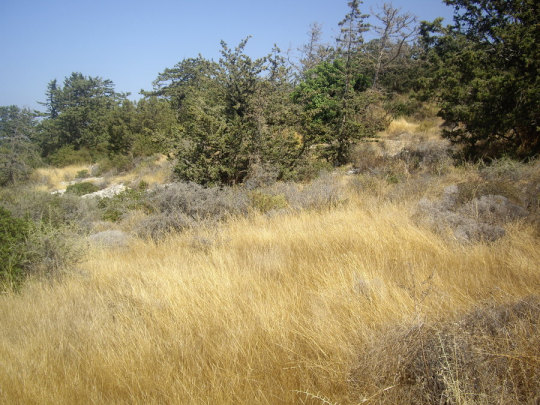
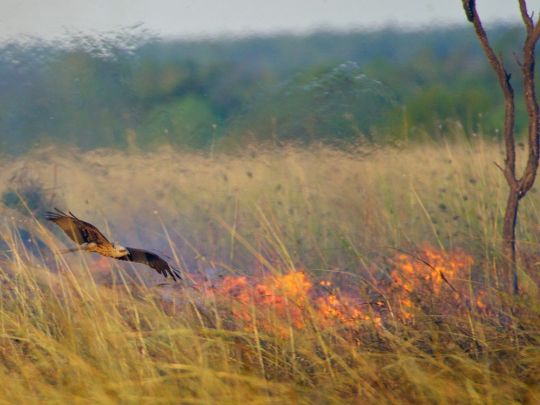
Scrubland/Dry Forests. For extra effect make them the sort that burn very often; some native plants never germinate until after a fire, and some animals not only rely on fire to smoke out prey, but may even start them themselves.

image
image

Savannas/Tropical Grasslands

image

Temperate Rainforests. I almost didn’t include this bc New Zealand is covered in them, and that’s where they filmed Lord of the Rings. But tbh, no one really knows about them, so it belongs here

image

Taiga Forests

image

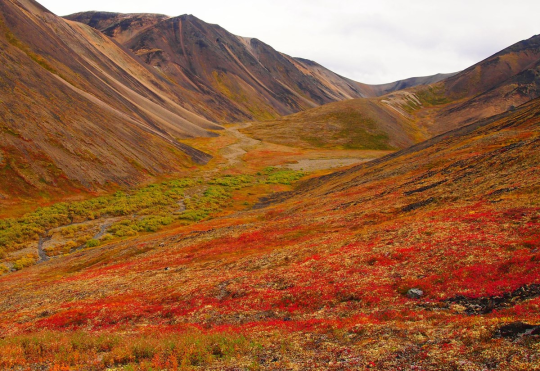
Barren Tundra, perfect for some extreme seasonal dichotomy

image
image

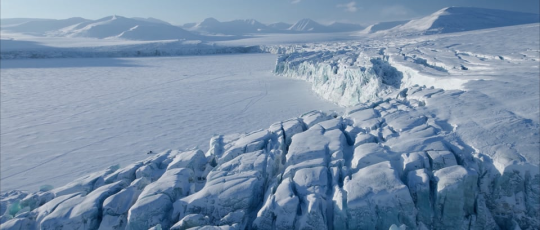
Polar Ice Sheets

image

Desert-Grasslands (arguably the same as Scrubland but Australia’s good at adding its own twists)

image

Barren Desert

image

If you like Cacti, look at American Deserts like the Sonoran

image

Salt Flats

image

Soda Lakes and Alkaline Lakes

image

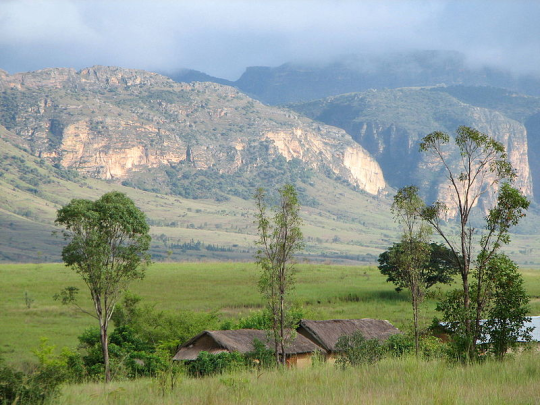
Madagascar’s Karst Limestone Formations

image

Madagascar’s Spiny Forests

image

Madagascar’s Baobab Forests

image

Madagascar’s Subhumid Forests (Madagascar is cool as hell ok)

image

Danxia Landforms

image

Badlands/Mountainous Deserts

image

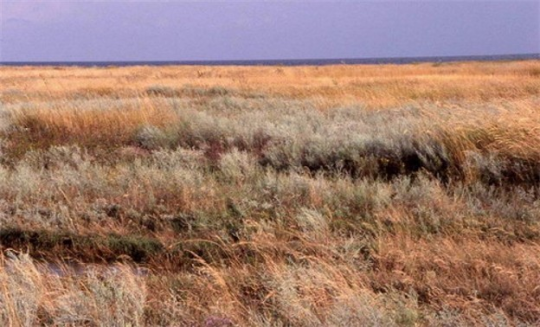
Steppes and Highland Prairies

image

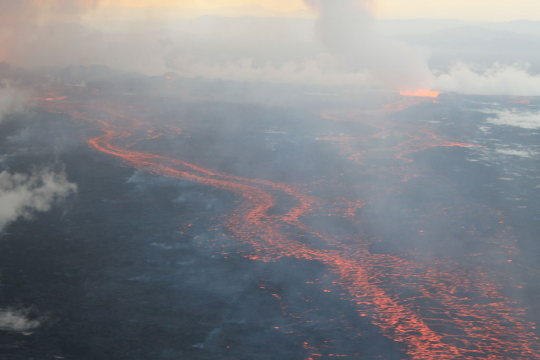
Flood Basalts

image
image

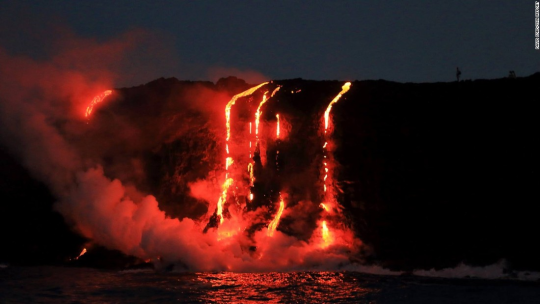
Newly-Formed Islands, still rife with Volcanic activity

image
image

Now for Underwater Environments, sure Coral Reefs are cool.

image

But there are SO MANY other kinds of environments for aquatic settings, it’s unbelievable:

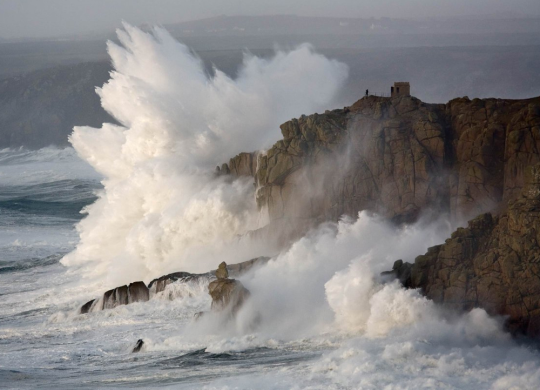
Seaside Cliffs

image

Archipelagos. Not just Tropical Island chains like Polynesia (Moana anyone?) but also Coldwater Archipelagos like the Aleutians.

image
image

Tidal Flats

image

Bayous/Cypress Swamps

image
image

Tropical River Basins, AKA Seasonally Flooded Rainforests

image

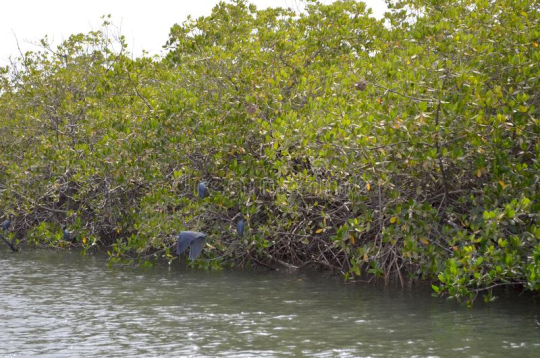
Mangrove Swamps/Deltas/Beaches

image

Kelp Forests

image

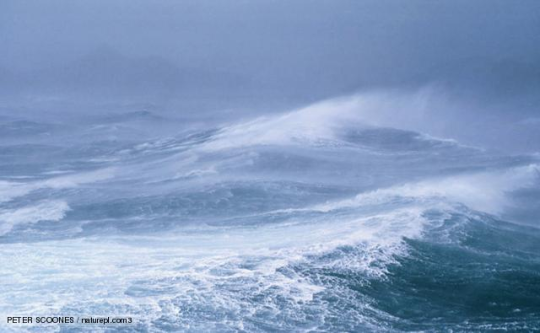
The Open Ocean

image

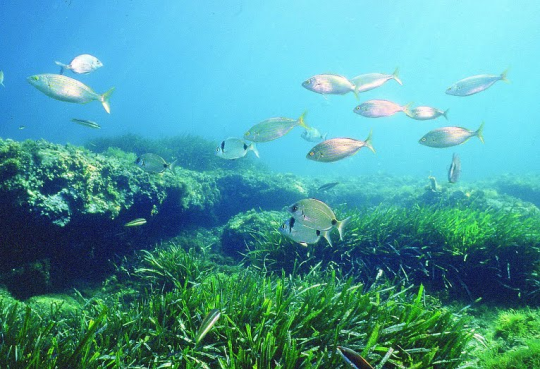
Coastal Seabeds

image

Rocky Beaches with Tidepools

image

And there are a LOT more I could name but this post is already obscenely long as is, if you’d like to toss in your own go right ahead, but my point is if you limit yourself to European Deciduous Forests you’re a wimp.

allegedgreywarden:

I see a lot of writing advice, particularly about giving characters flaws. The main advice is “everyone has flaws! make sure to give your character flaws or else it’s not realistic!” And after thinking about it… I would like to challenge this.

It essentially posits a view of human nature that there are good and bad traits, and that these traits can be neatly diagrammed into separate columns, one set of which can and should be eliminated. It tends to go along with a view that posits character development should be about scrubbing away of “flawed” traits until the character achieves more a higher level of goodness, or else the character doesn’t and falls into tragedy. This is not untrue, necessarily. There are definitely some “flaws” that are 100% bad and sometimes a good arc is about slowly losing them. However, I could call this advice incomplete.

Consider thinking about it this way. Characters have traits and often whether or not that trait is a flaw is purely circumstantial.

For instance, fairy tales I read as a child. In some, when an old beggar asked for money on the road, it was a secret test of character. The prince who gave the old man money or food would be rewarded. But in other folktales I read, the old beggar would be malevolent, and any prince who stooped to help him would be beaten, punished for letting his guard down. Now, in a story as well as in real life, either of these scenarios can occur–a stranger who asks for help can be benevolent or malevolent. So which is the flaw? Is it a “flaw” to be compassionate? or is it a “flaw” to be guarded? 

Trick question–it’s purely conditional. Both traits are simultaneously a strength and a weakness. Either has an advantage, but either comes with a price as well. And whether the price is greater than the advantage depends on circumstance. The same can be said for most character traits, in fact!

An agreeable character who gets along with everyone will be pressured into agreeing with something atrocious because it’s a commonly held viewpoint. A character who’s principled and holds firm even under great pressure will take much, much longer to change their mind when they are actually in the wrong. A character who loves animals and loves to shower them with affection will get bitten if they try the same on every animal. As the circumstances change, flaws become strengths, and strengths become weaknesses. And even a trait that’s wholly virtuous, such as compassion, comes with a price and can be turned for the worst.

You don’t have to think about inserting flaws into your character. Your character, even the most perfect “Mary Sue,” is already flawed the moment you give her any traits at all. The problem with Mary Sue isn’t a lack of flaws, it’s a lack of circumstances to challenge her properly, to show her paying the natural price. Your job as an author is to create circumstances in the narrative that 1) justify why these traits exist in your character 2) show what your character gains from these traits and then 3) change the circumstances to challenge her. 

Make your character pay the price for their traits, for their choices. And then, when challenged, you can make a hell of a story by showing us how they adapt, or why they stick to their guns anyway.

High Concept Indie Game Generator 1.0

prokopetz:

prokopetz:

One day, a…

  1. teenage girl
  2. cute robot
  3. child or young adult of ambiguous gender
  4. female-coded artificial intelligence
  5. furry woodland creature
  6. sapient geometric shape

… goes on a journey to:

  1. an enchanted forest.
  2. a mysterious underground kingdom.
  3. a derelict space station.
  4. a dying world.
  5. Purgatory/Limbo.
  6. the realm of stories.

With the aid of:

  1. a socially awkward scientist
  2. an ugly but well-meaning monster
  3. an eclectic band of fellow exiles
  4. a spirit or deity of uncertain motives
  5. a mysterious benefactor who communicates though notes or recordings
  6. the player (who the protagonist is aware of and can talk to)

… our hero harnesses the power of:

  1. friendship
  2. their own mind
  3. grotesque physical transformations
  4. Jungian archetypes
  5. a childhood hobby or pastime
  6. literacy

… and contends with fearsome foes via:

  1. battles of wits
  2. match-three minigames
  3. collectible card duels
  4. turn based JRPG-style combat
  5. ritualised sports matches
  6. talking about their feelings

… to overcome the forces of:

  1. social conformity.
  2. institutional racism.
  3. divine authority.
  4. gender roles.
  5. inevitable fate.
  6. Capitalism.

In the end, it’s revealed that:

  1. God is evil
  2. the narrator and/or the user interface has been lying to you
  3. this has all happened before, and will happen again
  4. the player character is secretly the villain
  5. it was all a dream – but not your dream
  6. we’re all just characters in a video game

… leading to:

  1. revolution.
  2. reconciliation of sworn foes.
  3. the hero’s ascension to godhood.

  4. the hero’s tragic but willing self-sacrifice.
  5. escape from the prison of reality.
  6. universal annihilation.

Reviewers harshly criticise the game’s:

  1. awkward controls
  2. repetitive gameplay
  3. over-wordy dialogue
  4. short and linear narrative
  5. heavy-handed emotional manipulation
  6. low animation budget

… but universally praise its:

  1. outstanding soundtrack.
  2. outstanding soundtrack.
  3. outstanding soundtrack.
  4. outstanding soundtrack.
  5. outstanding soundtrack.
  6. outstanding soundtrack.

The fandom, for their part:

  1. become obsessed with an incidental side character
  2. argue endlessly over the appropriateness of popular ships
  3. produce vast quantities of angsty YouTube AMVs
  4. harass the developers on social media
  5. attempt to start a religious movement
  6. draw lots of anatomically improbable porn

… thus cementing their public reputation as a bunch of weirdos. Meanwhile, the much-anticipated sequel fails to eventuate owing to the fact that:

  1. the creative lead has left the gaming industry to become a lumberjack.
  2. the Kickstarter spent all its money on novelty t-shirts.
  3. the source code has been lost in a mysterious accident.

  4. the developers all burned out on console port QA.
  5. the writer and the artist had a falling-out and hate each other now.
  6. the cliffhanger ending was just trolling you.

Given that I’ve received several asks regarding which game this or that line is referring to, I feel I should clarify that no, each numbered entry is not vagueing about a specific title.

Each numbered entry is vagueing about multiple specific titles.